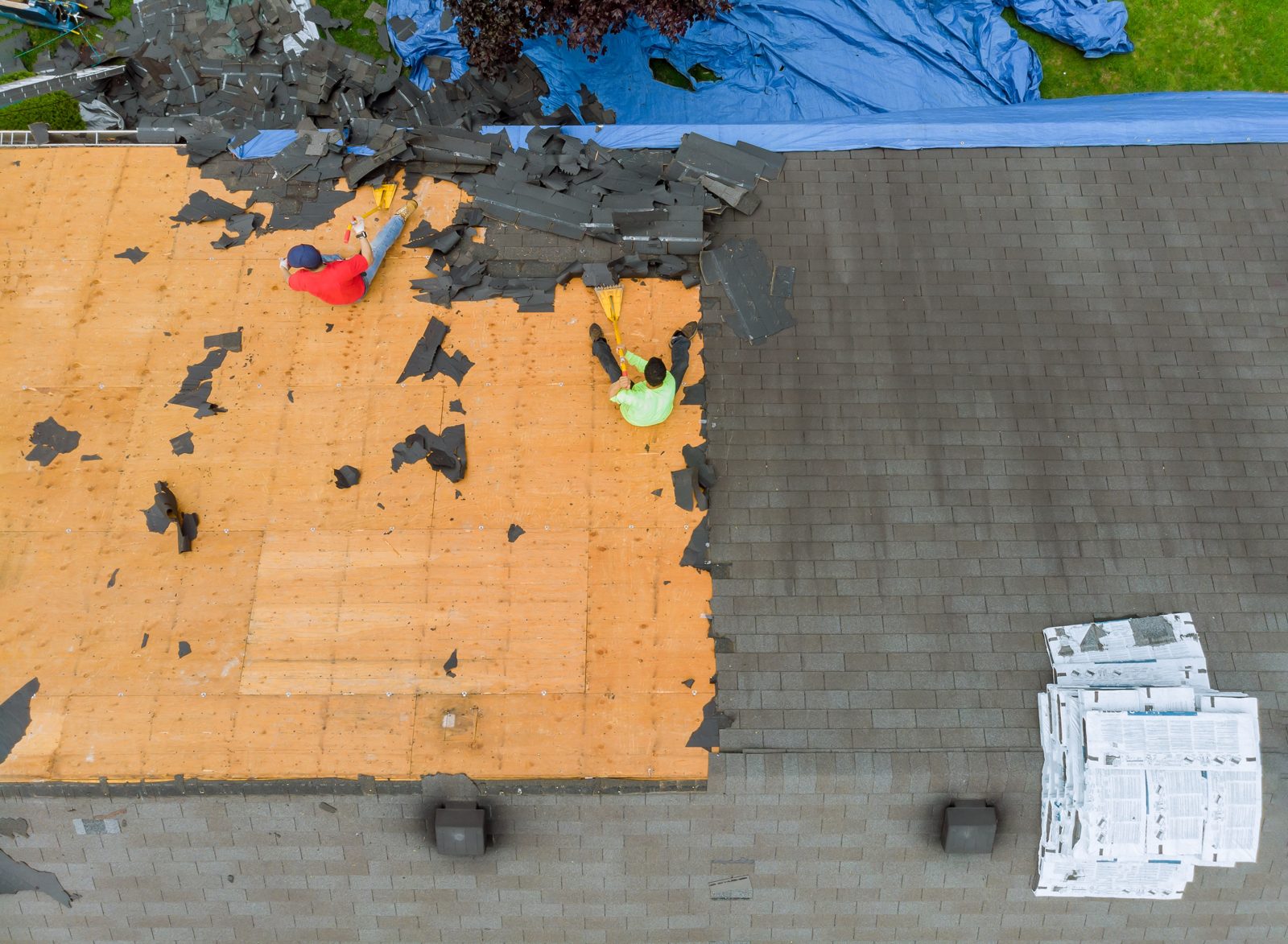
If you live along the Front Range, you already know how roofing season works. A hailstorm rolls through, the neighborhood fills up with trucks and ladders, and suddenly everyone you know is getting a new roof. It is a good problem to have, in the sense that the roof gets fixed. But it comes with a pile of old shingles, felt, nails, and flashing that has to go somewhere, and that somewhere is usually a dumpster.
Picking the right dumpster for a roof replacement sounds simple, and mostly it is. The trouble starts when the container is too small, shows up on the wrong day, or lands somewhere it blocks the crew. This guide walks through how to size a dumpster for a roofing job, where to put it, what can and cannot go in it, and a few local details that matter in Colorado Springs, Pueblo, and Teller County.
Why a Roof Replacement Needs Its Own Dumpster Plan
A tear off creates a lot of debris in a short time. Old shingles are heavy, they come off in sheets and chunks, and they pile up faster than most homeowners expect. A crew can strip an average roof in a day or two, which means all of that material needs a place to land the moment it comes off the roof.
Without a dumpster, the debris ends up in a yard, on a tarp, or in a truck bed headed for the landfill. None of those options are great. Loose shingles scatter, nails end up in the grass and in driveways, and a trailer load or two is rarely enough for a full roof. A roll off dumpster keeps the mess in one spot, keeps the jobsite safer, and lets the crew work without stopping to haul debris away.
It also helps your wallet. A properly sized container means one delivery and one pickup. An undersized one means a second haul, extra trips, and a schedule that slides.
How to Choose the Right Size
Roof size is measured in squares, and one square covers 100 square feet of roof. Your roofer will tell you how many squares your roof has, and that number is the best starting point for picking a dumpster. Tell your dumpster provider the square count, the number of layers being removed, and the type of material, and they can steer you toward the right container.
Earthwise rents roll off dumpsters from 10 to 40 yards. Here is how those sizes tend to line up with roofing work.
10 and 15 yard dumpsters
These are the compact options, and they are better suited to small jobs than full replacements. A 10 yard is handy for a small repair, a shed roof, or a garage. A 15 yard can handle a small roof or a partial tear off. If you are replacing the entire roof on a typical home, you will usually want something bigger.
20 yard dumpsters
The 20 yard is the all rounder, and it is the size Earthwise points to for roof replacements. For many single story homes and modest roofs with one layer of shingles, a 20 yard gets the job done. It is also easier to place on a driveway than the bigger boxes.
30 yard dumpsters
Larger homes, steep or complex rooflines, and jobs with multiple layers of old roofing often call for a 30 yard. If you are removing two layers, or you are doing a roof and a deck repair at the same time, the extra room can save you from a second haul.
40 yard dumpsters
The 40 yard is the biggest container, and it is built for large construction and demolition projects. For most residential roofs it is more than you need, but it can make sense for very large homes, multi building properties, or jobs that combine a full roof with a bigger renovation.
A quick rule of thumb
If you are unsure, talk to your roofer first, and then call the dumpster company with the numbers. A good provider would rather help you pick the right size than rent you the wrong one. When it is close between two sizes, it is usually smarter to go up, since a dumpster that is a little too big costs far less than one that is a little too small.
Weight Matters More Than You Think
Roofing debris is dense. Shingles, in particular, add up quickly by weight even when they do not look like they fill much of the container. That is why a dumpster for roofing can fill up on weight before it fills up on volume.
Most roll off rentals come with a weight allowance, and going over it can mean extra charges. Before you book, ask how much weight is included and what happens if you go over. It is a simple question, and it keeps the final bill from surprising you. It also helps to avoid mixing heavy materials, like concrete or dirt, into the same container unless you have cleared it with the provider first.
Where to Put the Dumpster
Placement is one of those details that makes the whole job smoother or turns it into a headache. A few things to think about.
Close to the roof, but clear of the work zone
The best spot is near the edge of the house where the crew will be tossing debris, usually on the driveway. Closer means less carrying, and less carrying means a faster tear off. Keep it far enough from the house that shingles falling from the roof do not hit vehicles, windows, or landscaping.
Protect your driveway
Roll off dumpsters are heavy, and they roll on steel wheels or skids. Putting a few sheets of plywood under the container helps spread the weight and protects asphalt and concrete from scratches and dents. This is especially worth doing in the summer, when asphalt gets soft.
Leave room for the truck
The driver needs space to drop off and pick up the container. Overhead wires, low branches, tight turns, and parked cars can all get in the way. Walk the path from the street to your driveway and look up as well as around. Clearing a spot before delivery day saves time for everyone.
Check on rules for the street and HOA
If the dumpster has to go on the street, a permit may be required depending on where you live. If you are in an HOA, check on any restrictions for dumpsters and how long they can stay. A quick call before the delivery date is much easier than a notice on the door afterward.
What Can Go in a Roofing Dumpster
Most of what comes off a roof is fair game. Asphalt shingles, roofing felt and underlayment, wood decking, flashing, and nails and fasteners all go in the container. Fascia and trim that gets replaced during the job usually goes in as well.
A few things should stay out, or need a conversation first. Hazardous materials, paint, solvents, and chemicals do not belong in a dumpster. Some older roofing materials can contain substances that require special handling, so if your home is older and you are not sure what is up there, ask your roofer and your dumpster provider before the tear off begins. Items like appliances, tires, and electronics are handled differently, so check on those if they are part of the project.
When in doubt, ask. A quick question costs nothing, and it keeps the container, the driver, and the landfill happy.
Timing the Delivery and Pickup
Roofing jobs run on tight schedules, and weather in Colorado does not always cooperate. A few thoughts on timing.
Book early, especially after a hailstorm. When a big storm hits, roofers get busy, and dumpsters get booked up in a hurry. If you know your roof is scheduled, reserve the container as soon as you have a date.
Have it delivered the day before, or the morning of. A container sitting in the driveway for a week before the job starts is in the way. One that arrives just ahead of the crew is ready when they are.
Plan for the pickup. Once the tear off is done and the crew has cleaned up, call to schedule the haul. Do a final walk around with a magnet to catch stray nails, which is a good habit for any roofing job.
Keep an eye on the weather. Afternoon storms and wind are common in the Pikes Peak region, and loose debris can blow around if the container is overfilled or left uncovered. Fill it so debris stays below the top edge, and talk to your roofer about covering it if rain or wind is in the forecast.
Roofing Jobs Across Southern Colorado
Earthwise serves Colorado Springs, Pueblo, Teller County, and the communities in between, and the roofing picture is a little different in each place.
In Colorado Springs, hail is the big driver. Neighborhood after neighborhood can need new roofs after a single storm, which means demand for dumpsters spikes quickly. In Pueblo, the same pattern shows up, along with plenty of older homes where multiple layers of roofing are common. In Teller County, steeper terrain, winter weather, and longer driveways can change how a dumpster gets placed, so it is worth walking the property with the driver in mind.
No matter where you are, the basic plan is the same: size the container to the roof, place it where the crew can use it, and book early.
Common Mistakes to Avoid
Most roofing dumpster problems come from a short list of mistakes. Knowing them ahead of time makes them easy to dodge.
Choosing a container that is too small. This is the big one. A second haul costs more than going up one size would have.
Ignoring weight. A dumpster that looks half empty can still be close to its weight allowance with roofing debris.
Skipping the driveway protection. A few sheets of plywood are a small price compared with a repair.
Waiting too long to book. After a storm, the schedule fills up. Reserve early.
Letting trash pile up on the jobsite. Keep loose debris out of the yard and off the driveway. It keeps the crew safe and makes the final cleanup quick.
Working With Your Roofer
If you hired a roofing company, find out whether they bring their own dumpster or expect you to arrange one. Some contractors include debris removal in their price, and others leave it to the homeowner. Either way, it helps to talk through the plan before the first day. Confirm the date, the size, the location, and who is calling for the pickup.
If you are a roofing contractor yourself, having a go to dumpster partner makes life easier. Reliable delivery, honest size advice, and fast pickups keep your crews moving and your customers happy.
Frequently Asked Questions
What size dumpster do I need for a roof replacement?
For many single story homes with one layer of shingles, a 20 yard dumpster is a common choice. Larger homes, steeper roofs, or jobs with more than one layer often need a 30 yard. Your roofer can tell you how many squares your roof has, and that number helps your dumpster provider recommend the right size.
How much does roofing debris weigh?
Roofing debris is dense, and shingles in particular add up fast. Because of that, a roofing dumpster can reach its weight allowance before it looks full. Ask your provider how much weight is included before you book.
Where should I put the dumpster for a roofing job?
Most people place it on the driveway, close to the edge of the house where the crew will drop debris, but far enough away that falling material does not hit vehicles or windows. Plywood under the container helps protect your driveway.
Do I need a permit for a dumpster?
If the dumpster stays on your driveway or private property, a permit is often not needed, but rules vary. If it has to go on the street, or if you live in an HOA, check the local requirements before delivery.
Can I put anything other than roofing materials in the dumpster?
Many household and construction items are fine, but hazardous materials, paint, and chemicals are not. Appliances, tires, and electronics may be handled differently. Ask your dumpster provider if you are unsure.
Ready to Book a Dumpster for Your Roof?
If you have a roofing project coming up in Colorado Springs, Pueblo, or Teller County, Earthwise Waste Solutions can help you pick the right size and get it delivered when you need it. Take a look at our roll off dumpster options, or request a quote. You can also call (719) 687-7900 and talk to a real person who will help you size it right.


