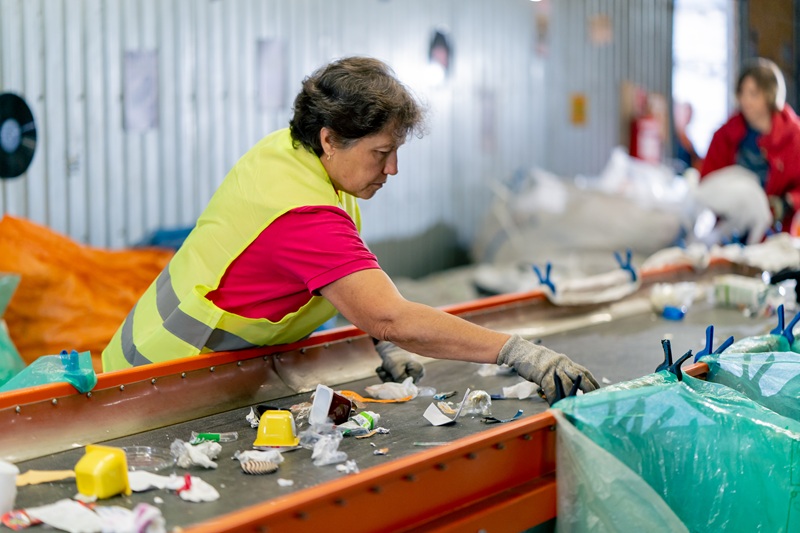
recyclable materials make it through the sorting process, contamination can reduce their quality.
For example:
- Food residue can soak into paper and cardboard, making it unusable
- Liquids can spread contamination across entire loads
- Mixed materials can lower the value of sorted recyclables
Lower quality materials are harder to sell to manufacturers. In some cases, buyers may reject entire shipments if contamination exceeds acceptable levels.
When Contamination Sends Recycling to the Landfill
One of the most frustrating outcomes of contamination is when otherwise recyclable material ends up in the landfill.
If a load of recycling is too contaminated, facilities may have no choice but to dispose of it as trash. This decision is not taken lightly. Landfill disposal costs money, and it undermines the environmental goals of recycling programs.
High contamination rates can result in:
- Entire truckloads being rejected
- Increased landfill tipping fees
- Reduced recycling diversion rates
- Loss of trust in recycling programs
When people hear that recyclables are being landfilled, it often leads to confusion or frustration. In reality, contamination is usually the root cause.
The Financial Impact of Contamination
Contamination does not just affect recycling facilities. The costs ripple outward and are ultimately shared by everyone.
Higher Processing Costs
Recycling facilities operate on tight margins. Equipment repairs, labor, downtime, and safety measures all add to operating expenses. When contamination increases, so do costs.
These higher costs must be absorbed somewhere. Facilities may need to raise processing fees or adjust service pricing to remain sustainable.
Increased Costs for Cities and Municipalities
Municipal recycling programs are often funded through service fees or taxes. When contamination drives up processing costs, cities may face difficult choices.
Potential outcomes include:
- Higher recycling service fees
- Reduced recycling services
- Changes to accepted materials
- Budget reallocations from other services
In some communities, contamination has led to the suspension of recycling programs altogether because costs became unmanageable.
Higher Costs for Businesses
Businesses that rely on recycling services can also feel the impact of contamination. Commercial recycling loads are often larger, and contamination in these streams can be costly.
Businesses may face:
- Contamination surcharges
- Increased hauling costs
- Contract penalties
- Reduced recycling options
For businesses focused on sustainability goals, contamination can undermine both financial and environmental objectives.
Costs Passed to Residents
At the end of the chain, residents often bear the cost. Higher operational expenses can lead to increased rates for trash and recycling services.
Even when rates remain stable, contamination reduces the overall effectiveness of recycling programs, meaning residents may not see the environmental benefits they expect.
Why Wishcycling Makes the Problem Worse
One of the biggest contributors to contamination is wishcycling. This happens when people place items in the recycling bin hoping they can be recycled, even if they are unsure.
Wishcycling is driven by good intentions but poor information. People want to do the right thing, so they err on the side of recycling rather than throwing something away.
Unfortunately, wishcycling:
- Increases contamination rates
- Slows down sorting systems
- Raises costs across the board
- Increases the likelihood of landfill disposal
When in doubt, it is often better to throw an item away than to contaminate an entire load of recycling.
Common Items That Do Not Belong in Recycling Bins
Clear communication is one of the most effective ways to reduce contamination. While accepted materials can vary by location, some items are almost never recyclable in curbside or commercial programs.
These include:
- Plastic bags and film
- Styrofoam
- Food contaminated paper
- Diapers and hygiene products
- Clothing and textiles
- Garden hoses and cords
- Batteries and electronics
- Propane tanks and hazardous waste
Many of these items require special disposal or recycling programs. Placing them in standard recycling bins causes more harm than good.
How Contamination Affects Recycling Markets
Recycling is not just a service. It is part of a global marketplace. Sorted materials are sold to manufacturers who use them to produce new products.
When contamination levels are high:
- Buyers may pay less for recycled materials
- Shipments may be rejected
- Market confidence declines
Lower material value means less revenue to offset processing costs. This makes recycling programs more expensive to operate and less financially sustainable.
The Environmental Cost of Contamination
Beyond financial impacts, contamination has environmental consequences.
When recyclable materials are landfilled due to contamination:
- Natural resources are wasted
- Greenhouse gas emissions increase
- Energy savings from recycling are lost
Additionally, increased truck trips, equipment repairs, and landfill disposal all contribute to a larger environmental footprint.
Contamination undermines the very goals recycling is meant to achieve.
Education and Consistency Are Key to Reducing Contamination
Reducing contamination requires clear, consistent education. Confusing rules or mixed messages make it harder for people to recycle correctly.
Effective education focuses on:
- Simple guidelines
- Visual examples of accepted items
- Clear explanations of what does not belong
- Regular communication and reminders
Consistency across communities and service providers also helps reduce confusion. When recycling rules vary widely, contamination becomes more likely.
How Businesses Can Reduce Recycling Contamination
Businesses play an important role in reducing contamination, especially those that generate large volumes of recyclables.
Best practices include:
- Clearly labeled recycling and trash bins
- Employee training and signage
- Regular audits of recycling streams
- Working with a knowledgeable waste provider
Small changes in workplace habits can significantly improve recycling quality and reduce costs.
How Residents Can Make a Difference
Individual actions matter. Proper recycling habits help protect workers, equipment, and the recycling system as a whole.
Residents can help by:
- Only placing accepted items in recycling bins
- Emptying and rinsing containers
- Keeping plastic bags out of recycling
- Avoiding wishcycling
- Staying informed about local recycling guidelines
These simple steps improve efficiency and reduce costs for everyone.
The Role of Responsible Waste Partners
A reliable waste and recycling partner plays a critical role in managing contamination. Education, clear communication, and responsive service all contribute to better recycling outcomes.
Providers who prioritize sustainability and transparency help communities and businesses understand how their actions impact the recycling process.
Why Reducing Contamination Benefits Everyone
When contamination decreases:
- Recycling facilities operate more efficiently
- Workers are safer
- Materials retain higher value
- Fewer loads are sent to the landfill
- Costs remain more stable
Clean recycling streams benefit municipalities, businesses, residents, and the environment. It is one of the most effective ways to strengthen recycling programs and protect long term sustainability.
Moving Toward Smarter Recycling
Recycling works best when everyone understands their role in the system. Contamination is not just a facility problem. It is a shared responsibility.
Better habits, clearer information, and thoughtful choices can dramatically reduce contamination and its associated costs.
Final Thoughts
Contamination in recycling facilities creates real consequences. It damages equipment, increases costs, puts workers at risk, and can send recyclable materials straight to the landfill. The good news is that contamination is preventable. With the right guidance and a commitment to smarter recycling, communities and businesses can make a meaningful impact.
If you want to improve recycling outcomes, reduce contamination, and work with a team that takes sustainability seriously, Earthwise Waste Solutions is here to help. Contact Earthwise Waste Solutions today to learn more about responsible recycling services, education resources, and waste solutions designed to support cleaner streams and a more sustainable future.


